Lake Guntersville Water Depth and Year‑Round Access in Langston
January 1, 2026
January 1, 2026
Buying a lake home or lot in Langston should feel exciting, not uncertain. Yet two properties can look identical from the shore and perform very differently once water levels drop or seasonal vegetation shows up. If you want reliable boating, fishing, and dock access all year, you need to understand how water depth and lake operations work on this part of Lake Guntersville. This guide breaks it down in plain language and gives you practical steps to verify depth, permits, and navigation before you buy. Let’s dive in.
Water depth affects what you can do at your dock, how often you can use your boat, and the long-term value of your property. Deeper water near the main channel usually means easier, more consistent access through seasonal changes. Shallower coves can be wonderful for kayaking and quiet views, but they are more prone to low-water pinch points and vegetation.
You do not need extreme depth to enjoy the lake. You do need enough clear, obstacle-free water along your approach path from the dock to the main channel. That approach is where many buyers underestimate the risk.
Langston sits on the eastern reaches of Lake Guntersville where access often involves narrow channels that open to the main lake. Here is what to expect:
If you plan to run a pontoon or a larger outboard from a cove, confirm that you have a consistent path with adequate depth at lower pool periods. Jet skis and kayaks handle shallows better, but they can still strike submerged stumps or shoals near shorelines.
Lake Guntersville is managed for multiple purposes like navigation, flood control, hydropower, and recreation. That means water levels change with weather, inflows, and operational needs. You may see short-term drops over hours or days, as well as multi-week periods of lower water during drier stretches.
Practically, a few inches to a foot of change can mean the difference between easy docking and a prop strike when you are in a shallow cove. Lower water can expose stumps, reduce ramp usability, and limit access to the main channel from the back of a cove. In warm months, plant growth can add friction to those chokepoints.
To stay ahead of these changes, monitor official data and plan your dock and boat storage to flex with conditions. Floating systems and adjustable gangways help you adapt as water moves up and down.
For current and historical conditions, the Tennessee Valley Authority is the primary authority on Guntersville operations. Check the current elevation and recent trends on the TVA’s Guntersville lake levels page before you visit or schedule a showing. If you are comparing access across multiple properties, look at levels on more than one day to see the range.
Fixed bridges around the Langston area have a set height relative to the lake’s surface. When the lake runs higher, clearance decreases. When the lake runs lower, clearance increases. If you have a taller boat, tower, or antennas, you must confirm that your route from your dock to your favorite marina or service location is passable at typical pool levels.
Practical tips:
Shoreline work on Lake Guntersville is regulated. Before building or modifying docks, boathouses, seawalls, or doing any dredging, confirm permits and approvals.
Dredging is not a given right even if you own the shoreline. It is expensive, regulated, and requires coordination with TVA and other agencies. If a channel or slip depends on periodic dredging, ask for the history, who pays for it, and whether permits are current and transferable.
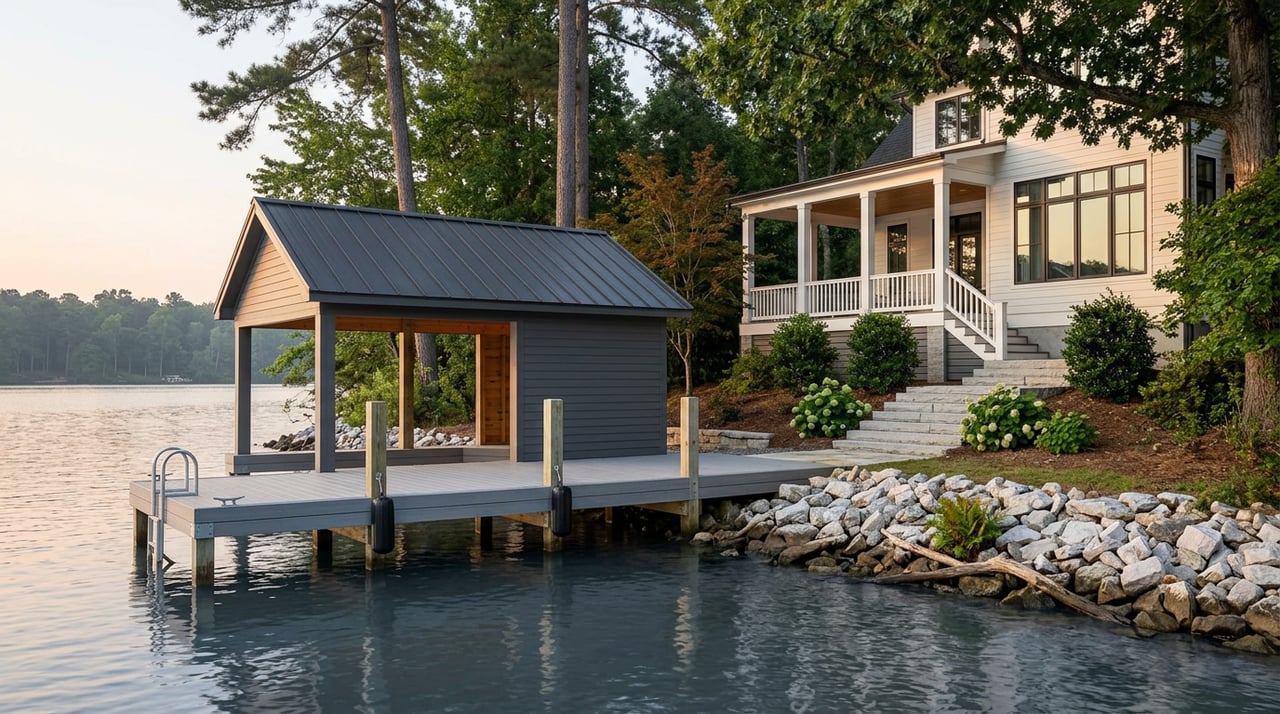
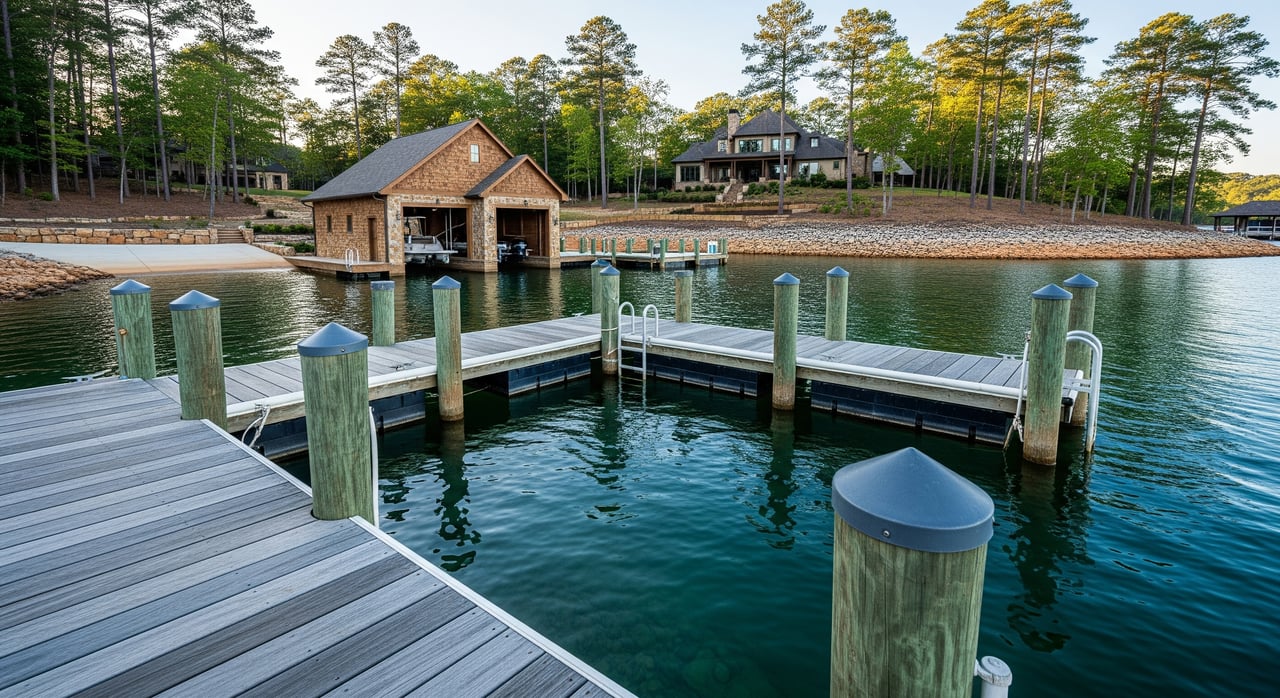
Dock design can make or break your year-round experience. Guntersville’s managed pool favors floating systems that move with the lake.
Add routine inspections and maintenance to your ownership plan. Think ahead about alternate storage or a marina slip during rare low-water periods so you do not get stranded.
Before you commit, do hands-on verification. Visuals can be deceiving from the shoreline.
Depth and access do not just affect weekend fun. They influence resale value and buyer confidence. A home with dependable access to the main channel often commands broader interest because it works for more boat types through more of the year. By contrast, a shallow or weed-choked approach can narrow your buyer pool and increase future maintenance costs.
If you are weighing two similar homes, the one with a proven, well-documented approach channel and current shoreline permits often carries lower risk. That usually translates into stronger long-term value.
Use this quick list to stay organized:
Success on a managed reservoir means staying informed and flexible. Combine the right data with smart design.
When you pair reliable data with local expertise, you minimize surprises and maximize year-round fun.
If you want a clear read on water depth, shoreline rules, and how a specific Langston property will perform across the seasons, bring in a local team that lives this every day. With more than 40 years on Lake Guntersville, we help you verify the details that matter and position your property for the right buyers.
Reach out to The Ken Williams Sales Team to discuss your goals, schedule a depth and shoreline review, or get tailored advice for your boat and dock plans. Get your free lakefront home valuation.
Stay up to date on the latest real estate trends.
Embrace the beauty of Lake Guntersville. Whether you’re searching for a weekend retreat, a full-time residence, or the perfect place to retire, our team is here to help you find a home that fits your lake life.